
Organic Aloe Vera Cultivation:
Ghrutika Agro Pvt. Ltd give a Complete Guide for Sustainable Success
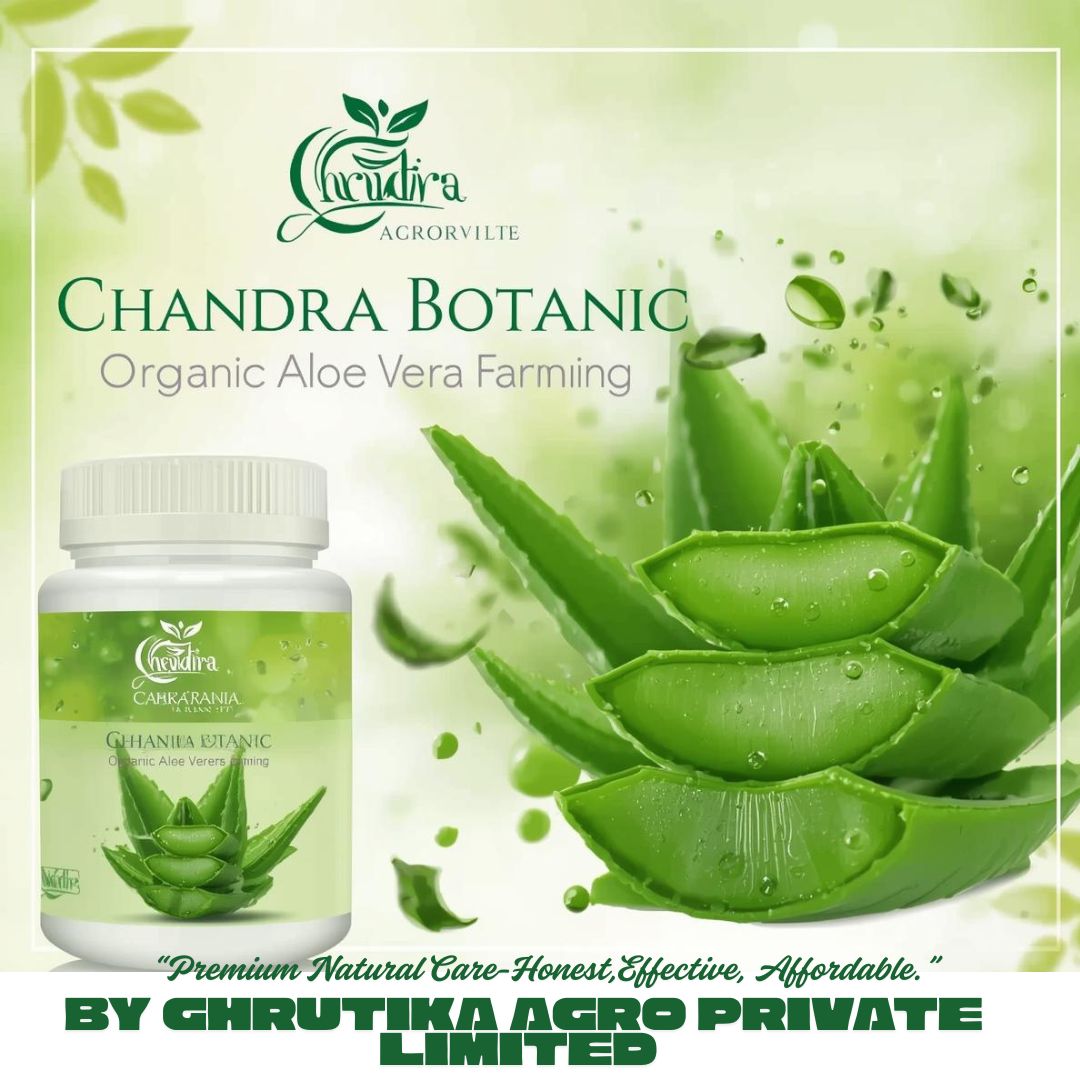
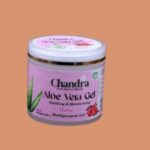
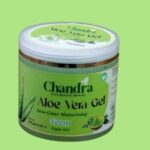
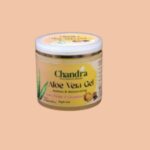
We preserved and Harness the power Of herb infusion and aloe Vera as extracted within bounded time space from the organically grown, matured juicy leaves of Aloe Barbadense before Its decomposition of bioactive Compounds required for glowing skin & healthy hair.
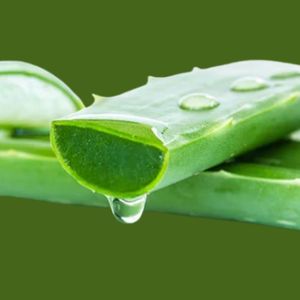
Organic Aloe Vera cultivation has gained tremendous popularity in recent years due to the rising demand for natural skincare, herbal medicine, and plant-based wellness products. Known scientifically as Aloe vera, this hardy succulent thrives in warm climates and requires minimal water, making it an excellent crop for sustainable and eco-friendly farming.
From small backyard growers to large-scale organic farms, Aloe Vera offers both environmental and economic benefits. In this comprehensive guide, we will explore everything you need to know about cultivating Aloe Vera organically — from soil preparation and planting to harvesting and marketing.
1. Understanding Chandrabotanic Aloe Vera as a Crop
Aloe Vera is a perennial succulent belonging to the Liliaceae family. It is widely valued for its thick, fleshy leaves filled with gel rich in vitamins, enzymes, amino acids, and antioxidants.
Why Choose Organic Cultivation?
Organic Aloe Vera cultivation eliminates the use of synthetic fertilizers, pesticides, and herbicides. This ensures:
- Higher market value
- Improved soil health
- Environmentally sustainable farming
- Chemical-free medicinal products
- Long-term soil fertility
The global demand for organic Aloe Vera products continues to grow in cosmetics, pharmaceuticals, nutraceuticals, and beverage industries.
2. Climate Requirements for Organic Aloe Vera
Aloe Vera thrives best in:
- Warm tropical and subtropical climates
- Temperature range: 20°C to 35°C
- Low rainfall regions
- Well-drained sandy or loamy soils
Although the plant tolerates drought conditions, it is sensitive to frost. Excessive moisture can cause root rot, so areas with heavy rainfall require proper drainage systems.
Regions with semi-arid climates are particularly suitable for organic Aloe Vera cultivation.
3. Soil Preparation and Land Management
Healthy soil is the foundation of successful organic farming.
Ideal Soil Conditions
- Sandy loam or loamy soil
- pH between 6.0 and 8.5
- Good drainage capacity
- Moderate organic matter content
Chandra Organic Soil Preparation Steps
- Deep ploughing to loosen soil.
- Removal of weeds and stones.
- Application of well-decomposed farmyard manure (10–15 tons per hectare).
- Incorporation of compost or vermicompost.
- Addition of neem cake to prevent soil-borne pests.
Raised beds are recommended in areas prone to waterlogging.
4. Propagation Methods
Aloe Vera is propagated primarily through vegetative methods.
Common Propagation Techniques
1. Suckers (Pups):
The most reliable method. Mature plants produce offshoots around the base. These are separated and replanted.
2. Tissue Culture:
Used in commercial organic farms for disease-free planting material.
Planting Guidelines
- Spacing: 45 cm x 45 cm or 60 cm x 45 cm
- Best planting time: Spring or monsoon (depending on region)
- Irrigate lightly after planting
Healthy suckers with 4–5 leaves are ideal for transplantation.
5. Organic Nutrient Management
In organic Aloe Vera farming, nutrient management focuses on natural sources.
Organic Fertilizer Sources
- Farmyard manure (FYM)
- Vermicompost
- Green manure crops
- Neem cake
- Panchagavya spray (traditional organic tonic)
Fertilizer Schedule
- Basal application: FYM before planting
- Top dressing: Vermicompost every 6 months
- Foliar sprays: Bio-fertilizers or seaweed extract
Organic mulching helps retain moisture and suppress weeds.
6. Irrigation Management
Aloe Vera is drought-tolerant but benefits from controlled irrigation.
Recommended Irrigation Practices
- Light irrigation immediately after planting
- Once every 2–3 weeks in dry seasons
- Avoid overwatering
- Drip irrigation is ideal for water conservation
Over-irrigation may cause fungal diseases and root rot.
7. Organic Weed and Pest Control

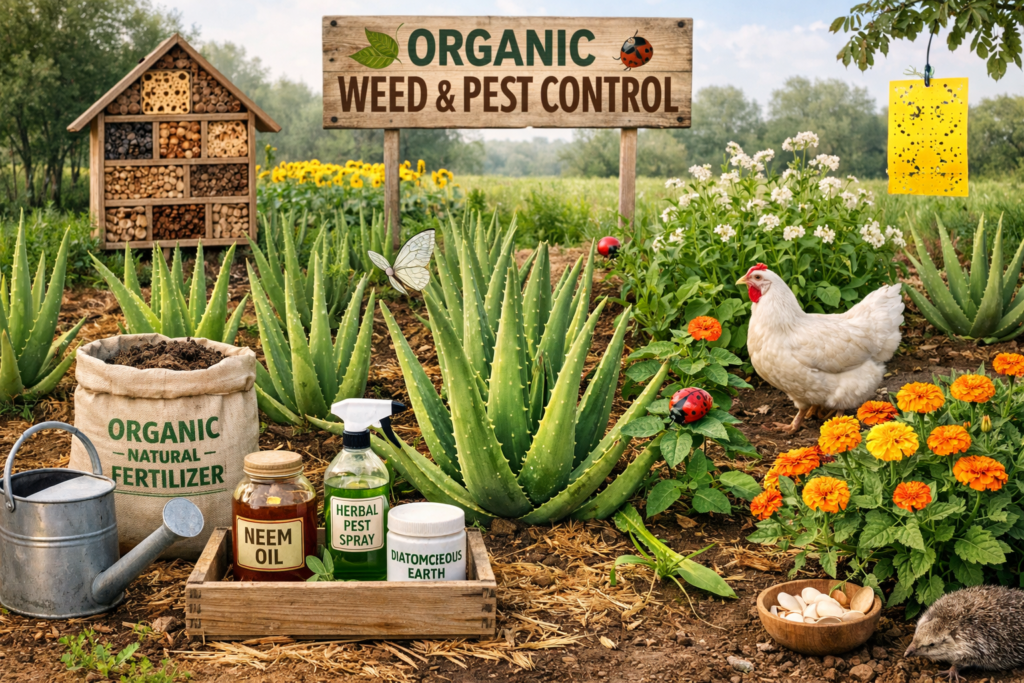
Weed control is essential during early growth stages.
Weed Management
- Manual weeding every 2–3 months
- Mulching with straw or dry leaves
- Intercropping to suppress weeds
Common Pests
- Mealybugs
- Aphids
- Termites
Organic Control Methods
- Neem oil spray (3–5 ml per liter of water)
- Cow urine-based formulations
- Garlic-chili extract sprays
Disease prevention through good drainage is critical.
8. Harvesting and Yield
Aloe Vera plants are ready for harvesting 8–10 months after planting.
Harvesting Guidelines
- Select mature outer leaves
- Cut near the base using a sharp knife
- Avoid damaging inner leaves
- Harvest 3–4 times per year
Expected Yield
- 15–20 tons per hectare annually (under organic conditions)
Leaves should be processed within 6 hours to preserve gel quality.
9. Post-Harvest Handling and Processing
Post-harvest care significantly affects product quality.
Handling Tips
- Clean leaves gently
- Store in cool, shaded areas
- Avoid stacking too high
Processing Options
- Fresh leaf sale
- Gel extraction
- Powder production
- Juice manufacturing
- Cosmetic ingredient supply
Organic certification increases product value in international markets.
10. Certification and Marketing
Organic Aloe Vera must meet certification standards to be marketed as “organic.”
Certification Bodies
- USDA Organic
- India Organic
- EU Organic
Certification involves:
- Chemical-free cultivation records
- Soil testing
- Periodic inspection
Marketing Channels
- Herbal product companies
- Cosmetic manufacturers
- Direct farm sales
- Online organic marketplaces
- Export markets
Branding and transparency build consumer trust.
11. Economic Benefits of Organic Aloe Vera Farming
Organic Aloe Vera cultivation offers:
- Low input cost
- Minimal water requirement
- Long crop life (4–5 years)
- High profit margin
- Multiple income streams
Value-added products significantly increase profitability.
12. Sustainability and Environmental Impact
Organic Aloe Vera farming supports sustainable agriculture by:
- Conserving water
- Enhancing soil biodiversity
- Reducing chemical runoff
- Supporting pollinators
- Lowering carbon footprint
Its resilience makes it suitable for climate-change-affected regions.
13. Challenges in Organic Aloe Vera Cultivation
While profitable, challenges include:
- Initial certification cost
- Market price fluctuations
- Perishability of fresh leaves
- Pest outbreaks in humid conditions
Proper planning and farm management reduce risks.
14. Intercropping and Diversification
Organic Aloe Vera can be intercropped with:
- Medicinal herbs
- Leguminous crops
- Short-duration vegetables
This improves land utilization and soil fertility.
15. Future Scope of Organic Aloe Vera Farming
The demand for plant-based wellness products is steadily increasing worldwide. Aloe Vera is widely used in:
- Skincare products
- Hair care formulations
- Health drinks
- Herbal medicines
- Nutraceutical supplements
With consumers shifting toward chemical-free lifestyles, organic Aloe Vera cultivation has a promising future.
Conclusion
Organic Aloe Vera cultivation is a sustainable, profitable, and environmentally responsible agricultural practice. With minimal water needs, low maintenance requirements, and high market demand, Aloe Vera presents an excellent opportunity for farmers and entrepreneurs.
By following organic soil management, proper irrigation techniques, natural pest control, and certification standards, growers can produce high-quality Aloe Vera while preserving soil health and ecological balance.
Whether you are a small-scale farmer or a commercial agricultural investor, organic Aloe Vera farming offers long-term benefits — both financially and environmentally.